ONLINE APPOINTMENTS
 CONTACT US
Smart Swaps for Holiday Treats
 The holiday season brings an endless parade of cookies, candies, and festive desserts. While there’s nothing wrong with enjoying these treats, constant sugar exposure creates the perfect environment for cavity-causing bacteria. Every time you eat something sweet, your mouth becomes acidic for about 20 minutes—and frequent snacking means your enamel never gets a break.
You can still enjoy holiday flavors with a few tooth-friendly strategies:
– Choose chocolate over sticky candies (it dissolves faster and clears your mouth quicker).
– Enjoy sweets with meals instead of snacking throughout the day.
– Opt for sugar-free versions of holiday favorites when possible.
– Keep water nearby to rinse away sugars after indulging.
Need a pre-holiday cleaning? We’re here for you!
Why Tooth Sensitivity Happens (And What Helps)
 Does drinking something cold or biting into sweet treats make your teeth ache? Tooth sensitivity is incredibly common and usually happens when enamel wears thin or gums recede. When these protective layers diminish, the inner tooth structure becomes exposed—and it’s filled with tiny nerve pathways that react to temperature changes, sweetness, and acidity.
It can also signal early decay, a cracked tooth, or grinding damage. While occasional mild sensitivity might resolve on its own, persistent or sharp pain deserves attention.
To manage sensitivity at home: Use toothpaste designed for sensitive teeth (give it 2-3 weeks to work). Avoid extremely hot, cold, or acidic foods when symptoms flare. Brush gently with a soft-bristled brush—aggressive brushing wears enamel. Don’t wait too long after eating to brush, but avoid brushing immediately after acidic foods.
If sensitivity has been bothering you, contact us so we can determine whether you need a fluoride treatment, desensitizing product, or other intervention to keep you comfortable.
When Stress Shows Up in Your Jaw
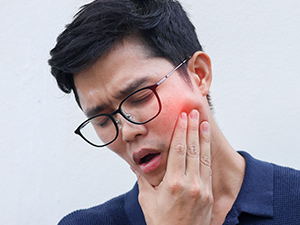 Teeth grinding and jaw clenching often increase during busy, stressful periods—and many people don’t even realize they’re doing it. This unconscious habit, called bruxism, can wear down enamel, cause tooth sensitivity, create jaw pain, and even lead to headaches and earaches. You might grind at night or clench during the day without noticing.
Common signs you might be grinding your teeth:
– Waking with a sore jaw or temples
– Flattened, chipped, or worn tooth edges
– Increased tooth sensitivity to temperature
– Dull headaches starting near your temples
– Indentations on the sides of your tongue
Stress management helps, but a custom nightguard offers direct protection for your teeth while you sleep. Unlike store-bought versions, professional guards are designed to fit your bite precisely, providing comfort and effective cushioning. They’re especially valuable during high-stress seasons when grinding tends to worsen.
If you notice any grinding symptoms, mention them at your next appointment.